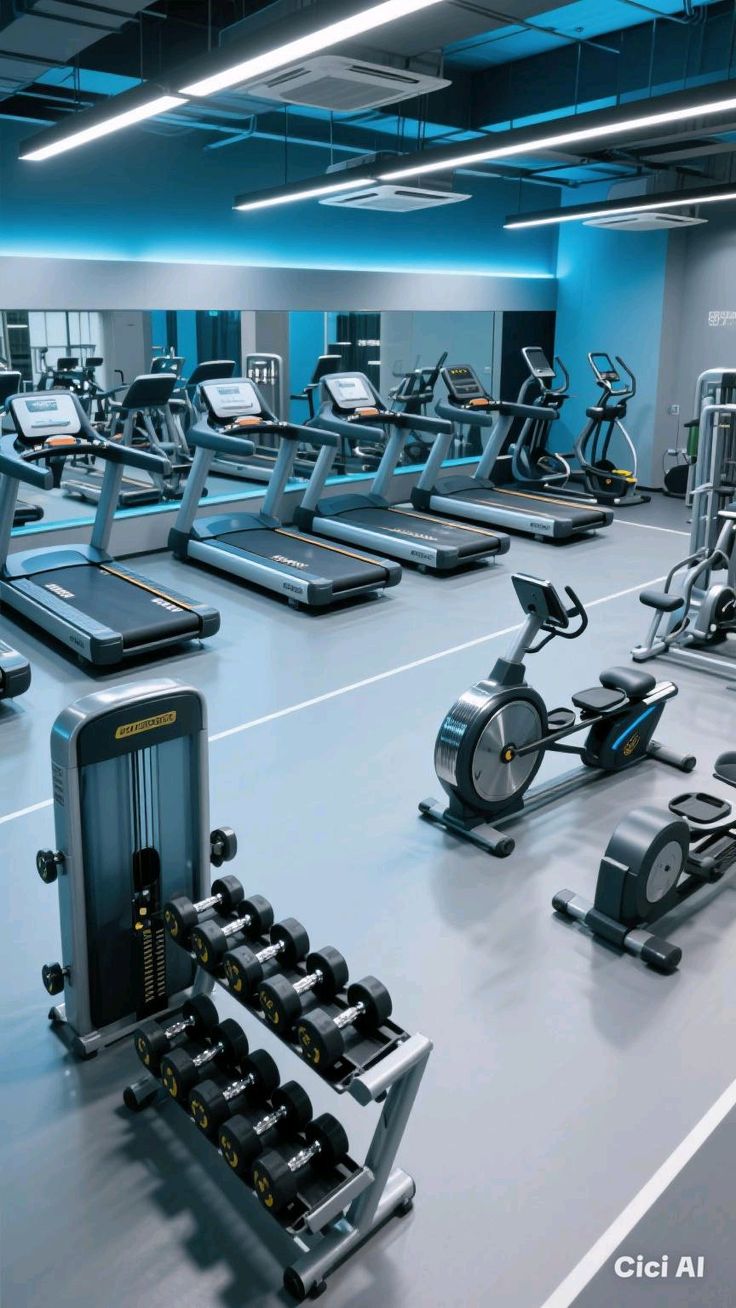

The fitness industry has undergone a massive transformation over the past decade, driven largely by technological advancements. From smart wearables to AI-powered personal trainers, technology is reshaping how we exercise, track progress, and maintain a healthy lifestyle. In this article, we explore the key ways technology is changing modern fitness training and what it means for fitness enthusiasts.
Table of Contents
- Introduction
- Smart Fitness Devices
- Fitness Apps and Online Platforms
- Wearable Technology
- Virtual and Augmented Reality Workouts
- AI-Powered Personal Training
- Data-Driven Fitness
- Gamification of Workouts
- Impact on Health and Motivation
- Challenges of Technology in Fitness
- Conclusion
- FAQs
Introduction
Technology has revolutionized nearly every aspect of our lives, and fitness is no exception. Modern fitness training now integrates devices, apps, and AI solutions that provide personalized, efficient, and data-driven workouts. Whether you’re a beginner or a professional athlete, technology makes it easier to achieve your fitness goals while maintaining motivation and consistency.
Smart Fitness Devices
Smart fitness devices such as connected treadmills, rowing machines, and stationary bikes are changing the way people work out at home. These devices often include:
- Preloaded workout programs
- Interactive screens with real-time feedback
- Connectivity with mobile apps for tracking progress
These devices allow users to enjoy a gym-like experience without leaving their homes, making fitness more accessible than ever.
Fitness Apps and Online Platforms
Fitness apps and online platforms have made workouts convenient and flexible. Popular apps offer:
- Personalized workout plans
- Video tutorials and live classes
- Progress tracking and reminders
Platforms like Peloton, MyFitnessPal, and Fitbit Coach combine fitness guidance with social features, fostering a sense of community among users.
Wearable Technology
Wearable technology, such as smartwatches and fitness bands, is one of the most influential trends in modern fitness. Key features include:
- Heart rate monitoring
- Step counting and calorie tracking
- Sleep quality analysis
- Workout analytics
Wearables provide instant feedback, allowing users to adjust intensity levels and optimize performance.
Virtual and Augmented Reality Workouts
Virtual Reality (VR) and Augmented Reality (AR) are adding a new dimension to fitness:
- VR workouts immerse users in interactive environments for more engaging exercises.
- AR apps overlay visual elements on the real world, helping with posture correction and form guidance.
This technology makes workouts more enjoyable and encourages long-term adherence.
AI-Powered Personal Training
Artificial Intelligence is revolutionizing personal training by offering:
- Personalized workout recommendations based on user data
- Predictive analytics to prevent injuries
- Adaptive programs that evolve with performance
AI-powered trainers mimic the guidance of human coaches, making professional-level training more accessible.
Data-Driven Fitness
Fitness technology generates vast amounts of data that can be leveraged for better results:
- Tracking performance over time
- Identifying strengths and weaknesses
- Optimizing nutrition and exercise routines
Data-driven insights allow users to make informed decisions and achieve goals faster.
Gamification of Workouts
Gamification transforms workouts into engaging experiences through:
- Achievement badges and points
- Competitive leaderboards
- Fitness challenges and rewards
By making fitness fun, gamification increases motivation and consistency.
Impact on Health and Motivation
The integration of technology in fitness has several benefits:
- Improved accountability and self-discipline
- Personalized experiences tailored to individual needs
- Enhanced motivation through feedback and rewards
Technology has made it easier to track progress, stay committed, and maintain a healthy lifestyle.
Challenges of Technology in Fitness
While fitness technology offers numerous advantages, there are also challenges:
- High costs of smart devices and apps
- Risk of over-reliance on gadgets rather than developing self-awareness
- Data privacy concerns
- Technical difficulties or inaccurate measurements
Awareness of these challenges ensures users make the most of technology while staying safe.
Conclusion
Technology is undeniably reshaping modern fitness training. From wearable devices to AI-driven personal trainers, innovations are making fitness more personalized, engaging, and accessible. As technology continues to evolve, it is likely that workouts will become even more immersive, efficient, and enjoyable, empowering everyone to achieve their health goals.
FAQs
Q1: What is the best wearable device for fitness tracking?
A: Popular wearables include Fitbit, Apple Watch, and Garmin, each offering heart rate monitoring, step counting, and workout analytics. The best choice depends on your fitness goals and budget.
Q2: Are virtual reality workouts effective?
A: Yes, VR workouts provide immersive and engaging experiences that can improve adherence, coordination, and motivation.
Q3: How can AI help in fitness training?
A: AI can personalize workout plans, monitor progress, provide predictive analytics to avoid injuries, and adapt exercises to your performance level.
Q4: Do fitness apps work without equipment?
A: Absolutely. Many apps offer bodyweight exercises, yoga routines, and guided workouts that require little to no equipment.
Q5: Is fitness technology expensive?
A: Prices vary. While some wearables and smart machines are costly, many apps and online programs are free or affordable, making fitness technology accessible for most users.